

To the pro development crowd, one of these families is more valuable than the other. Guess which is which. Stock photos.
This morning a member of a statewide policy group to which I belong forwarded an article from The New York Times, about a proposed apartment development in Brooklyn, New York. Like California, the city and state of New York have embraced the “build, baby, build” approach to the country’s housing affordability crisis. The argument goes that developers should be incentivized to flood the supply of market rate and luxury housing, even over the objections of existing residents in affected neighborhoods, on the theory that this will somehow push down prices for all income levels. It’s akin to arguing that building 10 million Ferraris will make Chevys and Hondas more affordable. It’s trickle-down economics on acid. Even Ronald Reagan would be aghast.
Suffice it to say, it isn’t working. The theory, which is pushed by politicians, developers, financiers, and consultants in a perverse, looking glass alliance with so-called “yes in my back yard,” or YIMBY activists, is fraudulent on its face. There’s a simple reason: Housing isn’t fungible. A young couple in the market for their first, affordable post-college apartment in Queens are not competing with the billionaire looking to park some of his capital in an Upper East Side luxury condo building. The 30-something couple with their first baby on the way house hunting in West Los Angeles are not affected by the development of a 125 unit apartment complex in Sylmar. And so on. Yet thanks to a tsunami of campaign contributions from corporations, private equity, big developers, big tech, and other special interests that stand to profit mightily from this supply side approach to human habitation, the theory has taken over state legislatures, governors’ offices, and city planning departments from coast to coast. It’s a new gold rush in which the well-connected and well-financed profit, at the expense of everyone else. Make no mistake: It has nothing to do with curing the affordability crisis. That’s just the cover story. It’s all about capitalism.
Back to the story in the Times. It seems the developer in Brooklyn wants to erect a new 14-story building in the Crown Heights neighborhood. It would – in theory – provide a mix of market rate and “affordable” units (I use the scare quotes because the “build, baby, build” crowd have so warped the concept of affordability as to render it all but meaningless; also, enforcement of affordability requirements is close to nil). This type of project is typical of the current approach.
There’s just one problem. The property in question is adjacent to the Brooklyn Botanic Garden. According to the story, “the building would cast shadows over a celebrated botanic garden’s collection of rare and exotic plants. Orchids might stop flowering, ficus trees could shrink and dozens or even hundreds of species would have to be sent to other gardens in sunnier parts of the country, according to garden officials.”
And just like that, we see how deranged the debate over housing in this country has become. The story screams “First World problem.” From coast to coast cities are approving thousands of new multifamily developments, many of them ugly, soul-crushing, unaffordable “stack and packs” that irreparably damage the character and quality of life of the neighborhoods into which they are literally bulldozed. Neighborhoods occupied by, you know, human beings, who bear the brunt of the consequences after the developers move on. The ones who can afford to remain, that is. No matter. In contrast, disrupting the well-being of a few exotic plants is proving to be the bridge too far in Gotham. Displacing millions of lower income and working class Americans in the name of for profit development? Good on ya’. Sending a few dozen orchids to warmer climes and maybe stunting a few ficus? You monsters!

Scores of new stack-and-packs for USC student housing in a historic working class black neighborhood? No worries!
Obviously, I’m exaggerating for effect here. I appreciate a nice botanical garden as much as the next guy (though I find the ubiquitousness of orchids a bit much), and recognize that those kinds of institutions are important. Like community gardens, they’re sources both of neighborhood cohesion and pride, islands of calm in otherwise bustling urban areas. Especially in concrete jungles like New York City, they are oases. One of the pleasures of exploring the city is discovering its many hidden, secret gardens. And the Brooklyn Botanic is, unfortunately, not alone in being threatened by development.
Still, it is next level insanity that so many people put more effort into protecting gardens than the neighborhoods surrounding them. The article continues: “the plan has appeared to reveal where even the most fervent cheerleaders of development may draw a line. Affordable housing advocates who have championed other developments in Brooklyn — and who ordinarily argue that all new housing, even if it is not uniformly affordable, is worth building to help ease the crisis — have not openly lent their support to the project near the garden.”
Let that sink in: “Affordable housing advocates who have championed other developments in Brooklyn” are balking at the impact a new development will have on foliage. Another article about the controversy, in The New York Post, quoted a post on X/Twitter by Brooklyn Borough President Antonio Reynoso that called the botanic garden “sacred,” and a statement by Department of City Planning Director Dan Garodnick that called the garden “treasure in the community” and “a jewel in the borough.” Again, neighborhoods occupied by people are disposable, but cacti are sacred treasured jewels to be protected at all costs.
Again, none of this is to suggest that the botanic garden isn’t a precious resource. The point is that this particular story has received more coverage than projects that radically, permanently transform places where people live, nearly always for the worse. For example, look at the picture below. It’s a proposed development in Santa Monica. The neighborhood (which is three blocks from where I live) is soft density one, two, and three story buildings, several of which are nearly 100 years old. This proposal — which appears to have been placed on hold, thankfully — didn’t generate the kinds of headlines the Brooklyn garden has.

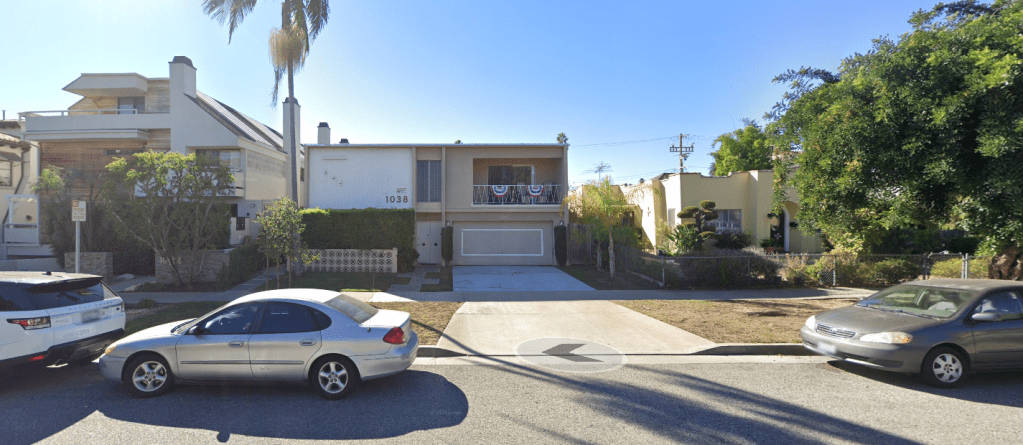
One person in the story who expressed concern for people is the city councilwoman for the district, Crystal Hudson, who has expressed concerns about the development’s overall impacts on the neighborhood, in addition to the fate of the papyrus plants. Nice to know human beings are not completely absent from the conversation.
The Brooklyn botanic brouhaha suggests there’s maybe a way for communities to avoid unneeded and unwanted new for-profit developments: Start building as many botanical gardens as possible and filling them with rare exotic plants. That’ll stop the bulldozers in their metaphorical and literal tracks. Welcome to the Upside Down.
If you enjoyed this post, please consider supporting the all aspect report’s independent journalism, opinions, and analyses! We rely on support from readers like you. Thank you!
Make a monthly donation
Make a yearly donation
Choose an amount
Or enter a custom amount
All contributions securely processed by Stripe.
Your contribution is appreciated.
Your contribution is appreciated.
DonateDonate monthlyDonate yearly the all aspect report